
Originally published August 29, 2024. From our educational archive. Treatment decisions and recovery instructions should be discussed with your own clinician.
Lymphedema, a condition characterized by swelling in the legs and feet due to the accumulation of lymph fluid, can significantly impact your quality of life. T
his article explores the symptoms, causes, treatment options, and prevention strategies for lymphedema, focusing on providing authoritative, compassionate, and educational insights.
Causes of Lymphedema
Lymphedema can be primary (congenital) or secondary (acquired). Understanding the underlying causes of lymphedema helps in effective treatment and management.
Primary Lymphedema
Primary lymphedema is less common and typically results from genetic mutations affecting the lymphatic system. It can present at birth or develop later in life without any obvious cause.
Secondary Lymphedema
Secondary lymphedema is more common and can result from various factors. If you're wondering what causes lymphedema in the legs, here are some key contributors:
Surgery: Procedures that remove or damage lymph nodes, such as cancer surgeries.
Radiation Therapy: Radiation treatment for cancer can damage lymphatic vessels.
Infection: Infections can cause scarring and blockages in the lymphatic system.
Injury: Trauma or injury to the lymphatic system.
Chronic Venous Insufficiency: Poor blood flow in the veins can contribute to lymphedema.
Symptoms of Lymphedema in Legs and Feet
Recognizing the symptoms of lymphedema early can lead to more effective management.
Common symptoms include:
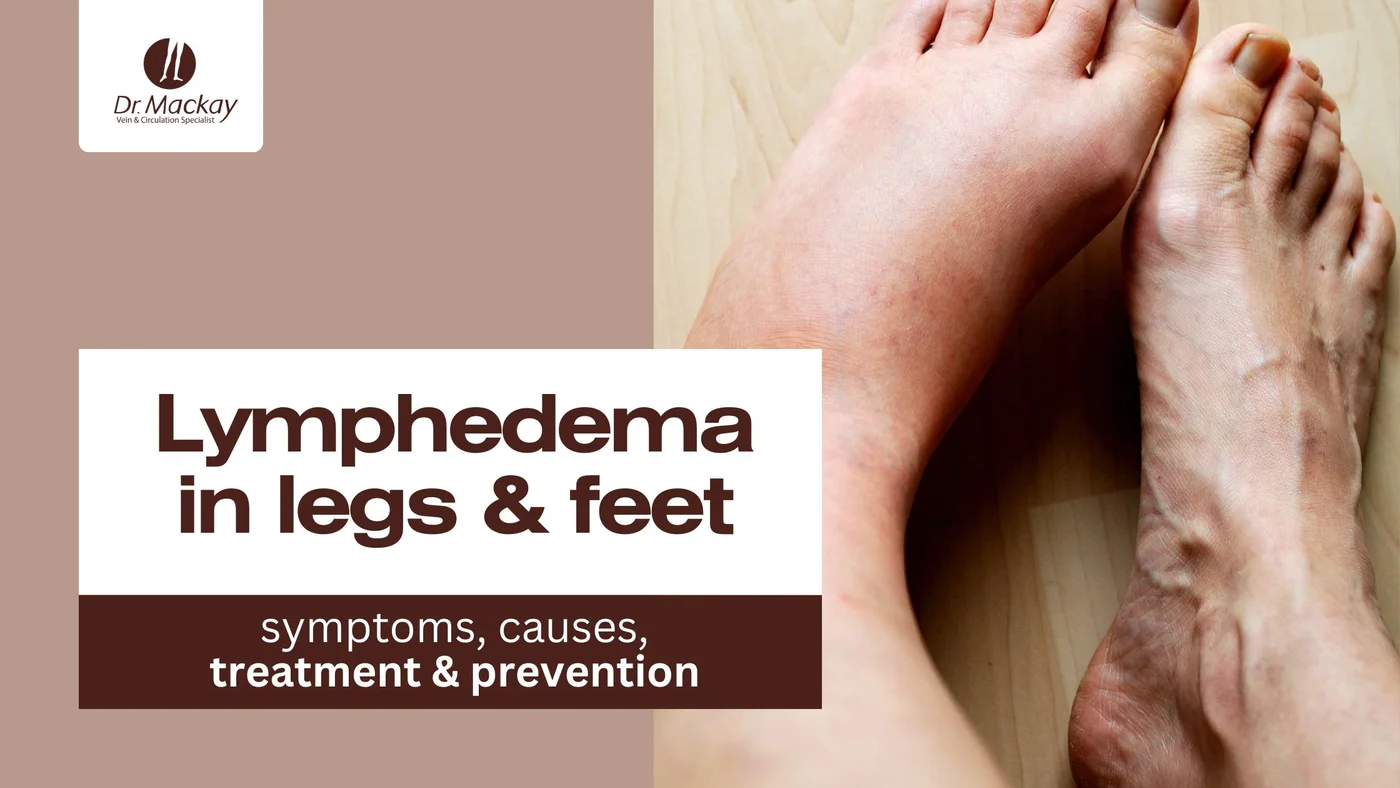
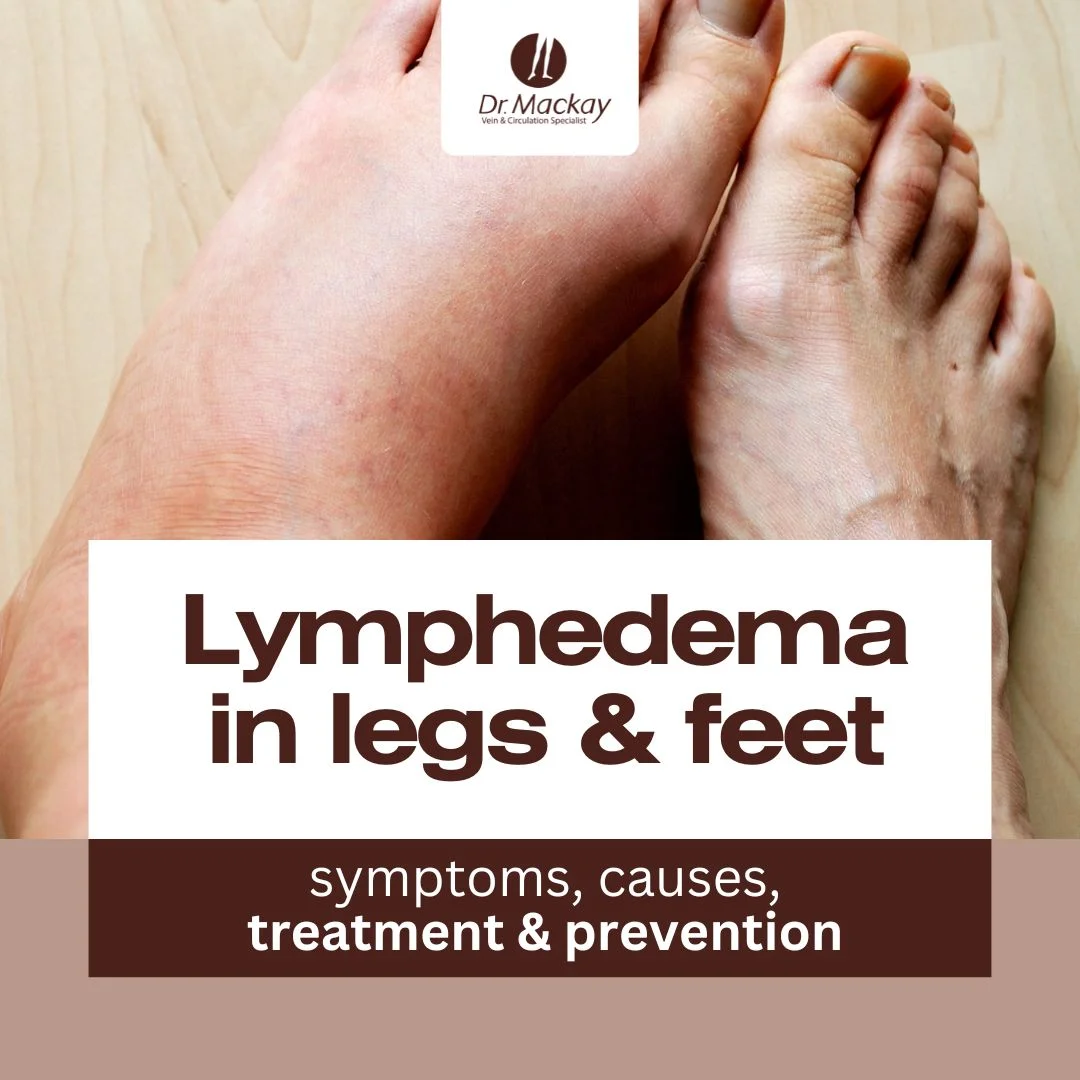
- Swelling: Persistent swelling in the legs or feet, which may worsen throughout the day.
Heaviness: A feeling of heaviness or tightness in the affected limbs.
Restricted Motion: Difficulty moving the affected limbs due to swelling.
Skin Changes: Thickening or hardening of the skin (fibrosis), and in some cases, recurring infections.
Discomfort: Aching or discomfort in the legs or feet.
If you experience any of these symptoms, it’s important to seek medical advice promptly.
Treatment Options for Lymphedema
While lymphedema is a chronic condition, several treatments for lymphedema can help manage the symptoms and improve quality of life.
Compression Therapy
Wearing compression garments helps reduce swelling by promoting lymph fluid movement through the lymphatic system.
Manual Lymphatic Drainage (MLD)
MLD is a specialized massage technique that encourages the flow of lymph fluid out of the affected limbs.
Exercise
Regular, gentle exercises can improve lymphatic drainage and reduce swelling.
Skin Care
Maintaining good skin hygiene prevents infections, which can worsen lymphedema. Use moisturizers to keep the skin supple and avoid injuries.
Advanced Treatments
In some cases, advanced treatments like surgery or laser therapy may be recommended to remove excess lymph fluid or repair damaged lymphatic vessels.
Prevention Strategies for Lymphedema
Preventing lymphedema, especially secondary lymphedema, involves minimizing risk factors and maintaining a healthy lifestyle.
1. Post-Surgical Care:
If you have undergone surgery that involves lymph node removal, follow your doctor’s guidelines for post-operative care, including wearing compression garments.
2. Avoid Infections
Keep your skin clean and moisturized, and treat any cuts or scrapes promptly to prevent infections.
3. Healthy Lifestyle
Maintain a healthy weight through diet and exercise to reduce pressure on the lymphatic system.
4. Avoid Tight Clothing
Wearing tight clothing or accessories can constrict lymph flow. Opt for loose, comfortable attire.
5. Stay Active
Engage in regular physical activity to promote lymph fluid movement and overall circulation.