

Originally published May 9, 2024. From our educational archive. Treatment decisions and recovery instructions should be discussed with your own clinician.
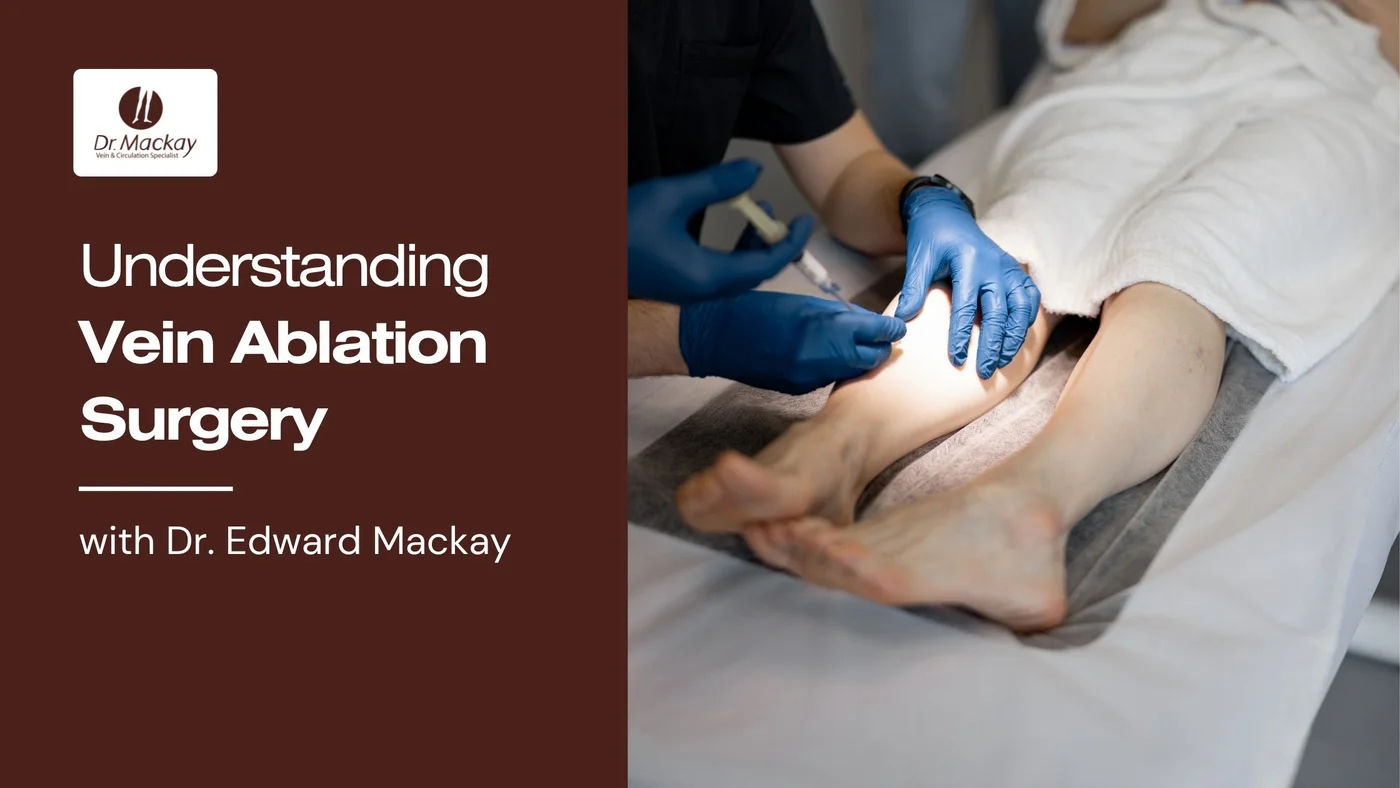
When it comes to treating varicose veins or venous insufficiencies, vein ablation surgery emerges as a leading solution. This minimally invasive procedure offers numerous benefits compared to traditional surgeries, including effective results and faster recovery times. This guide by Dr. Mackay was created to help patients understand more about vein ablation.
What is Vein Ablation Surgery?
Vein ablation surgery, also known as endovenous ablation therapy, is a minimally invasive procedure aimed at treating varicose veins and venous insufficiencies. Unlike traditional surgeries like ligation or vein stripping, vein ablation involves using heat energy or laser technology to seal off the problematic vein from within, redirecting blood flow to healthier veins.
Advantages and Disadvantages of Vein Ablation Surgery
Advantages:
1. Minimally Invasive: Vein ablation surgery is minimally invasive, requiring only a small incision to access the affected vein. This results in less scarring, minimal discomfort, and faster recovery times compared to traditional surgeries.
2. High Success Rate: Studies have shown that vein ablation surgery boasts a high success rate in treating varicose veins and venous insufficiencies, with many patients experiencing long-term relief from symptoms.
3. Improved Cosmetic Appearance: By sealing off the problematic vein, vein ablation surgery can improve the cosmetic appearance of the legs, reducing the appearance of bulging, twisted veins.
Disadvantages:
1. Potential Side Effects: While rare, potential side effects of vein ablation surgery may include temporary bruising, swelling, numbness, or skin discoloration in the treated area.
2. Risk of Complications: As with any medical procedure, there is a slight risk of complications such as infection, blood clots, or nerve damage associated with vein ablation surgery. However, these risks are significantly lower compared to traditional surgeries.
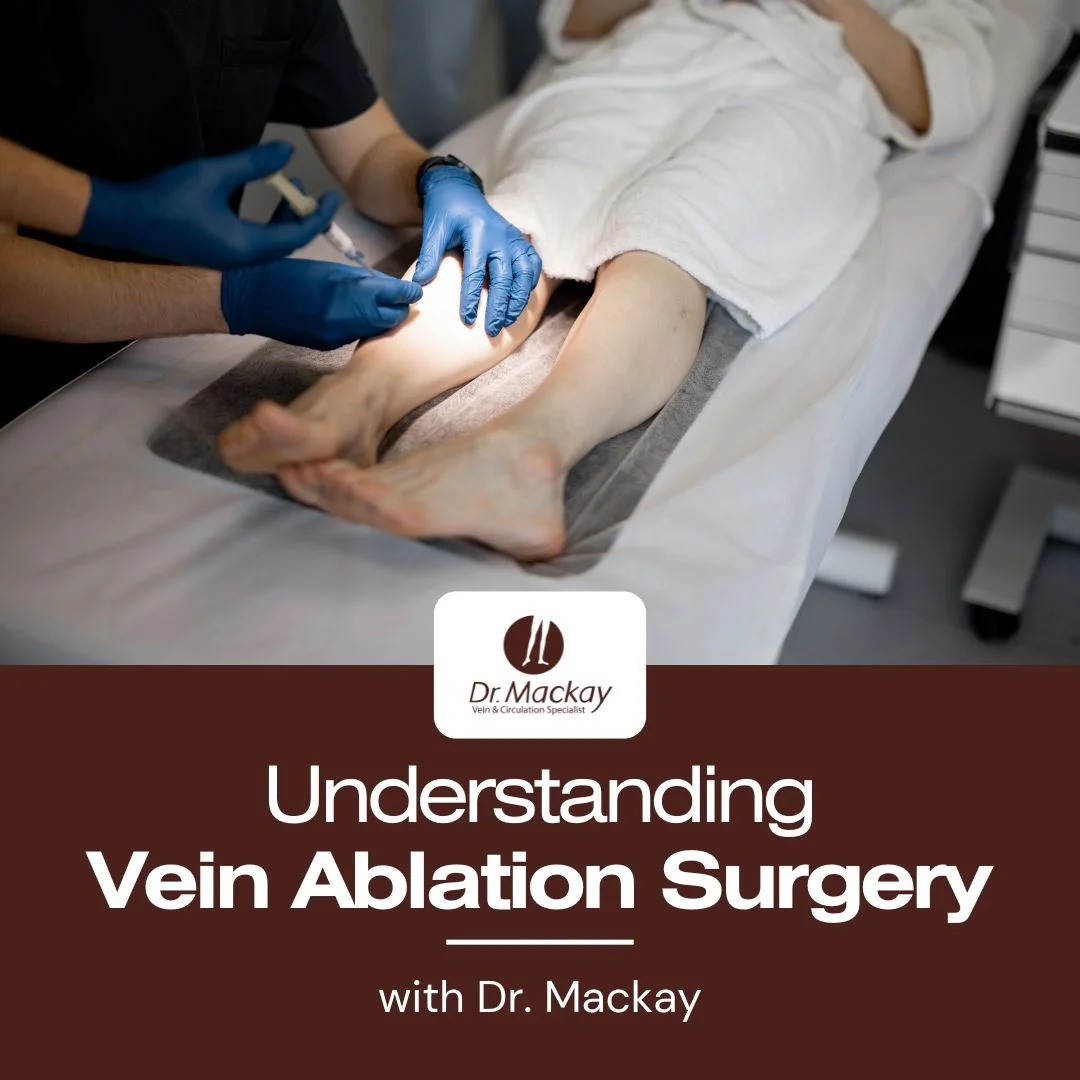
What does Vein Ablation Surgery Entail?
VenaSeal is a Popular Ablation Treatment by Dr. Mackay
What to Expect After Surgery
Following vein ablation surgery, patients may experience mild discomfort, bruising, or swelling in the treated area. However, these symptoms usually subside within a few days.
Patients are advised to wear compression stockings and refrain from strenuous activities for a brief period to aid in the healing process. Most patients can resume their normal activities within a few days to a week after the procedure, enjoying improved vein health and relief from symptoms.
Choose Vein Ablation Surgery at Mackay Vein Clinic
Our team of experienced vascular specialists offers professional vein ablation procedures with effective results and minimal discomfort / downtime. If you're in the Tampa Bay, Palm Harbor, Largo, or St. Petersburg area and struggling with varicose veins or venous insufficiencies, consider vein ablation surgery at Mackay Vein Clinic.
Contact Mackay Vein Clinic today at 727-527-2888.