Conventional sclerotherapy
A liquid solution delivered through a fine needle, generally for smaller varicose veins and spider veins.
Vein & Circulation / Treatments
For spider & varicose veins.
Explore a minimally invasive treatment with a vein specialist who takes time to understand your concerns.
A closer look with Dr. Mackay
Plays on YouTubeWatch on YouTube
Injection treatment without surgical incisions.
Technique selected for your veins and symptoms.
Individual aftercare and follow-up guidance.
Understanding sclerotherapy
Sclerotherapy uses an injected solution to close selected veins. The body gradually absorbs the treated vein, and its appearance fades.
Your specialist considers your veins, symptoms, and medical history to choose an approach.
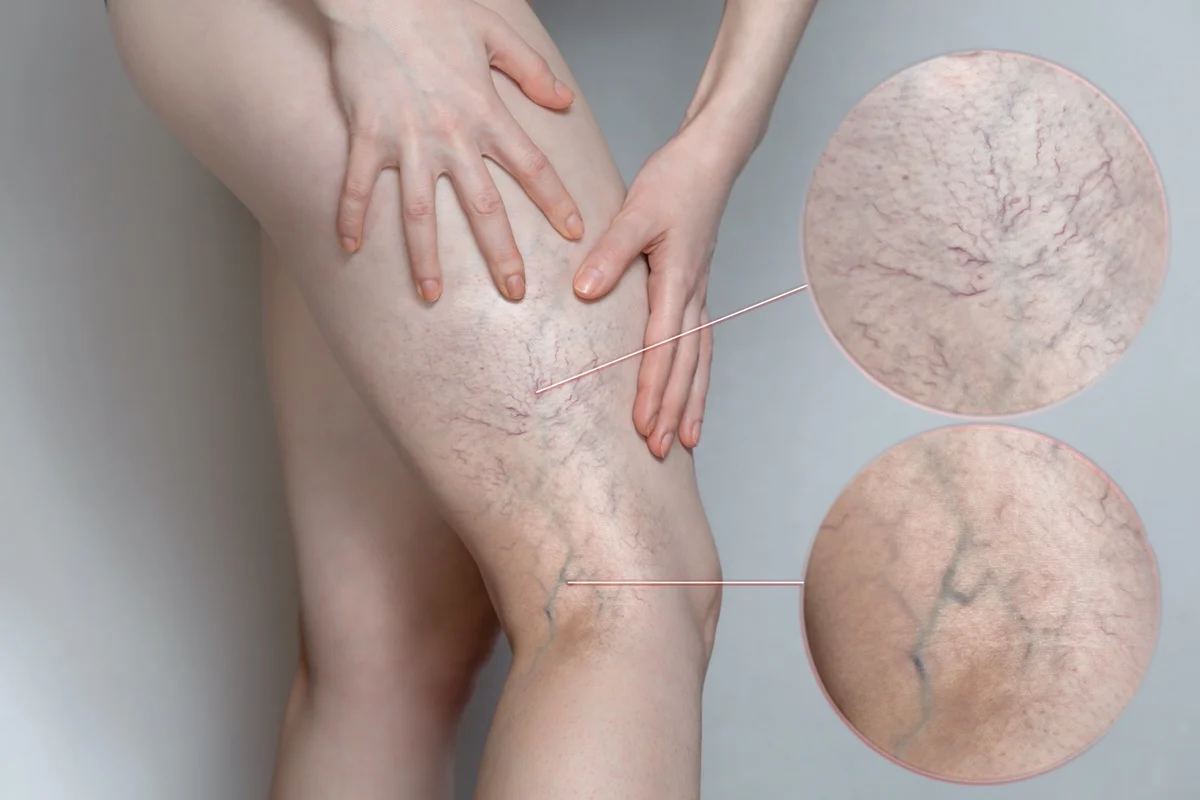
Spider veins are small, visible surface veins. Varicose veins are enlarged, twisted veins that can develop when weakened valves allow blood to pool. Aching, heaviness, swelling, and skin changes or ulcers need an individual evaluation.
Your vein specialist
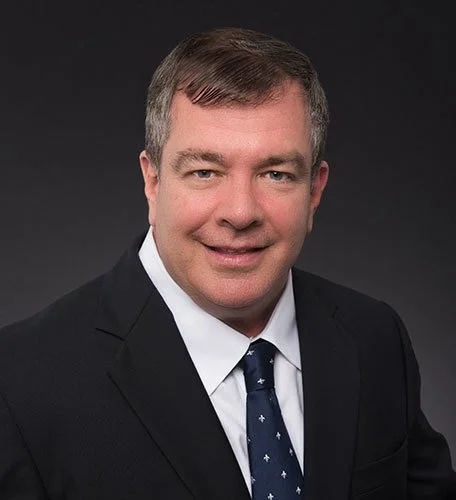
MD, FACS, RPVI, RVT
Board-certified and fellowship-trained in vascular surgery. Caring for patients in the Tampa Bay area since 1993.
IAC-accredited facilityFor vascular testing
Treatment options
Liquid or foam, with ultrasound guidance when appropriate.
Your visit, step by step
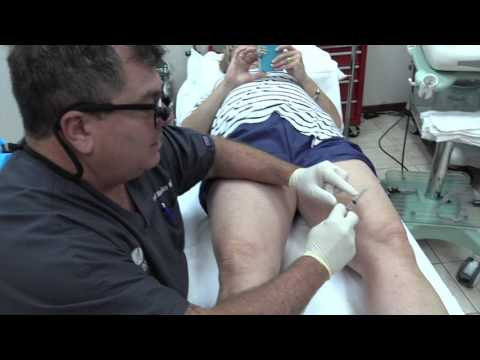
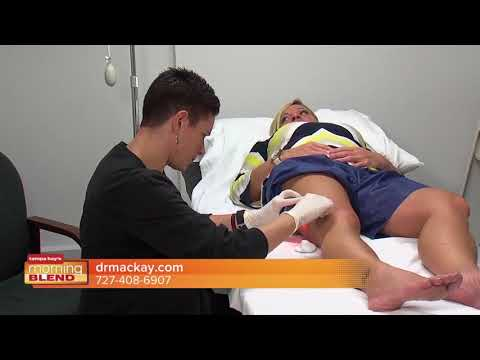
Watch Dr. Mackay discuss and perform spider vein treatment.
Plays on YouTubeWatch on YouTube
Review your symptoms, medical history, and treatment options.
Follow your care team’s instructions before your appointment.
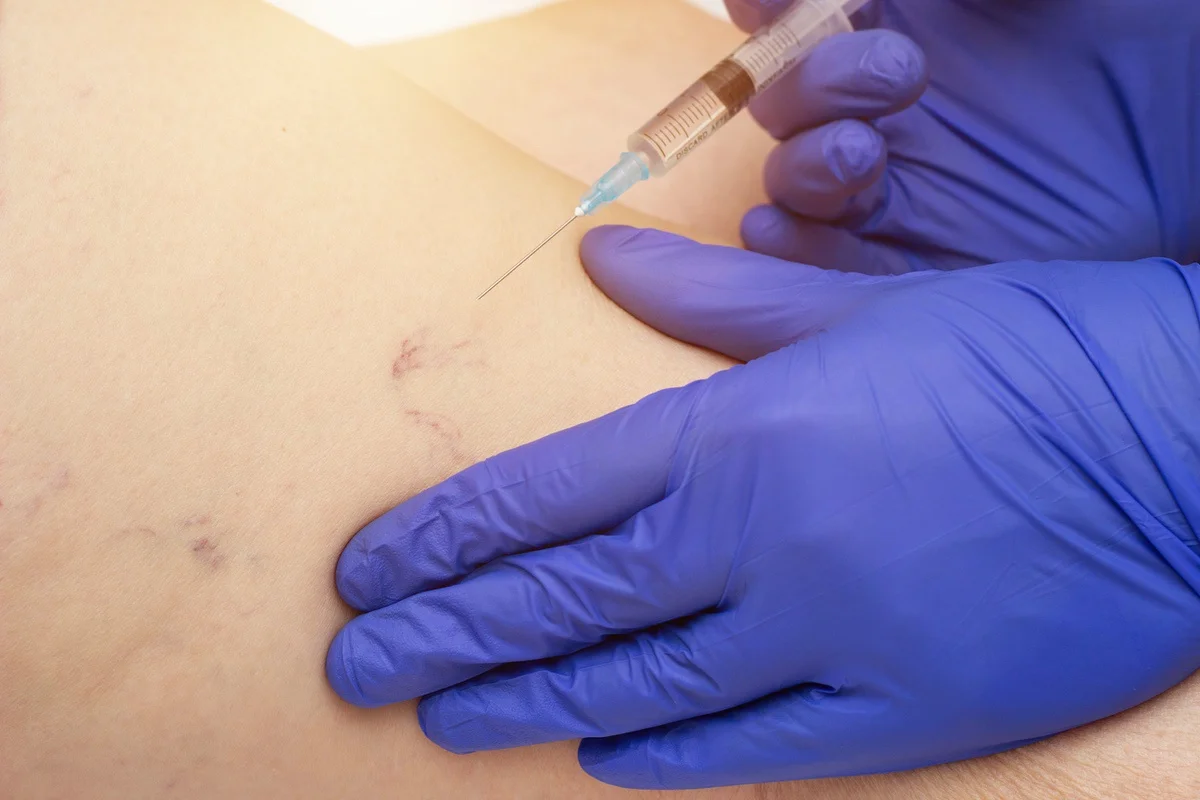
Your clinician cleans the area and injects the selected solution.
Leave with guidance on compression, activity, and follow-up.
Recovery & results
You may notice discomfort, bruising, or swelling after treatment. Follow your clinician’s instructions about compression, activity, and follow-up.
Results develop gradually, and more than one session may be needed. Your care team will help you understand what to expect.
Discuss your treatment planFrom our spider vein gallery
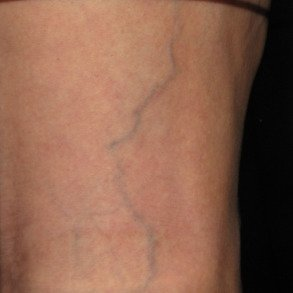 Before
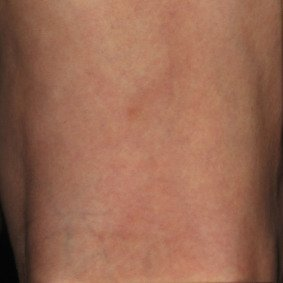 After
AfterSclerotherapy does not require surgical incisions, but every procedure has risks. Possible effects include skin discoloration, an allergic reaction to the solution, and blood clots. Discuss suitability, alternatives, and aftercare with your specialist before deciding on treatment.
Common questions
Have another question? Our team is here to help.
Call (727) 527-2888Yes. Sclerotherapy is used for selected spider veins and varicose veins. The size, location, and condition of the veins help determine which approach is appropriate.
You may need more than one session. Your clinician will discuss the number and size of the veins being treated, your goals, and how your veins respond to treatment.
Treated veins fade gradually as the body absorbs them. Timing varies with the veins and treatment approach; your care team can explain what to expect for your individual plan.
Your clinician may recommend compression stockings or bandages after treatment. Follow the specific instructions your care team gives you about their use and duration.
Discuss your symptoms, medical history, treatment goals, alternatives, and potential risks. Your specialist can explain whether sclerotherapy fits your needs and what recovery may involve.
The complete treatment guide
Visible veins can affect how your legs look and feel. Sclerotherapy is one of several treatment options for spider veins and varicose veins. This guide explains the different approaches, potential benefits, procedure, recovery, and questions to discuss with your vein specialist.
Varicose veins are twisted, enlarged veins visible just beneath the skin. They develop when valves within the veins become weakened or damaged, allowing blood to flow backward and pool. Along with changes in appearance, varicose veins may cause aching pain, swelling, and a feeling of heaviness in the legs. In more severe cases, venous disease can be associated with skin changes and ulcers.
Spider veins are smaller veins visible near the skin’s surface. Whether your concern is visible veins, discomfort, or both, an individual assessment helps identify the condition and an appropriate treatment plan. At Mackay Vein & Circulation Specialists, the conversation starts with your symptoms, medical history, and goals.
Sclerotherapy is a medical procedure used to treat selected varicose veins and spider veins. A solution called a sclerosant is injected directly into the vein, irritating its lining and causing it to close. Over time, the treated vein is reabsorbed by the body and fades from view.
This treatment has been used for decades for cosmetic concerns and symptoms related to appropriate vein conditions. It does not require surgical incisions. The size, location, and condition of the veins help determine whether sclerotherapy is suitable and which technique to use.
Dr. Edward G. Mackay offers conventional, foam, and ultrasound-guided sclerotherapy. These approaches address different vein conditions, and ultrasound guidance may be combined with foam treatment.
Conventional sclerotherapy uses a liquid sclerosant injected directly into the selected vein with a small needle. It is generally used for smaller veins, including spider veins and smaller varicose veins. Your specialist determines which visible veins are appropriate to treat.
For foam sclerotherapy, the sclerosant is mixed with a gas to create a foam before it is injected. Foam can be used to treat larger veins and may be combined with ultrasound guidance. The preparation, amount of solution, and veins selected for treatment depend on the individual plan.
Ultrasound imaging helps the clinician locate veins beneath the skin and guide the injection. This can be useful for larger superficial veins or target veins that are not visible at the skin’s surface. Guidance helps identify where the solution is delivered; your specialist will explain why it is recommended for your treatment.
Before treatment, consult a vascular specialist who can assess your veins, review your medical history, and determine whether sclerotherapy is appropriate. Discuss your symptoms and what you hope to improve, as well as alternative treatment options.
Your care team will explain how to prepare for your appointment. Wear comfortable clothing that allows access to the treatment area. The skin is cleaned before the injections, and any comfort measures are discussed as part of your treatment plan.
Using a fine needle, the clinician injects the chosen liquid or foam solution into the affected veins. The number of injections depends on the size and number of veins being treated. Treatment is generally performed in an outpatient setting. The length of your visit depends on the technique and treatment area; ask your team how much time to allow.
Compression stockings or bandages may be used after treatment. Your clinician will explain when to walk, which activities to limit, and how to care for the treated area. Follow your own instructions about compression and follow-up rather than using another patient’s recovery plan.
Sclerotherapy offers a minimally invasive option for suitable spider veins and varicose veins. Potential benefits include:
The expected benefit depends on the veins being treated and your individual circumstances. Your consultation is an opportunity to set realistic goals for comfort, appearance, and recovery.
After sclerotherapy, you may experience discomfort, bruising, or swelling around the treated veins. These effects often settle with time, but recovery varies. Follow the post-treatment instructions provided by your clinician, including how long to wear compression stockings if they are recommended.
Results develop gradually as the body absorbs the treated veins. Improvement may become visible over several weeks, while larger veins can take longer. More than one session may be needed, and the timing and extent of improvement differ between patients.
Follow-up gives your clinician an opportunity to assess your response and discuss whether further treatment would be helpful. Contact your care team if you have concerns about your recovery.
Like any medical procedure, sclerotherapy carries risks. Your specialist should explain potential complications and how your medical history may affect the decision to proceed. Possible effects include:
Discuss these and other relevant risks before treatment. A qualified specialist can explain suitability, alternatives, warning signs, and aftercare for your circumstances. This guide provides general information rather than an individual treatment recommendation.
Choosing a specialist involves more than choosing a procedure. Experience in evaluating venous disease helps connect your symptoms and examination findings with an appropriate treatment plan.
Dr. Edward G. Mackay is a board-certified, fellowship-trained vascular surgeon who has treated venous disease in the Tampa Bay area since 1993. At Mackay Vein & Circulation Specialists, care is centered on understanding your concerns and discussing the options that fit your needs.
If you are considering treatment for spider veins or varicose veins, start with a consultation to discuss your options. Our practice has offices in Palm Harbor, Largo, and St. Petersburg. The team can help you choose an office and confirm treatment and provider availability.
Call (727) 527-2888 or request an appointment to take the next step toward a plan for your comfort and confidence. Office addresses and direct contact details are below.
Close to home
Find directions, office hours, and the right number to call.
Your next step
Call our team to find the right office and discuss your visit. Treatment availability and provider schedules vary by location.
Book an appointment