
Originally published February 8, 2024. From our educational archive. Treatment decisions and recovery instructions should be discussed with your own clinician.
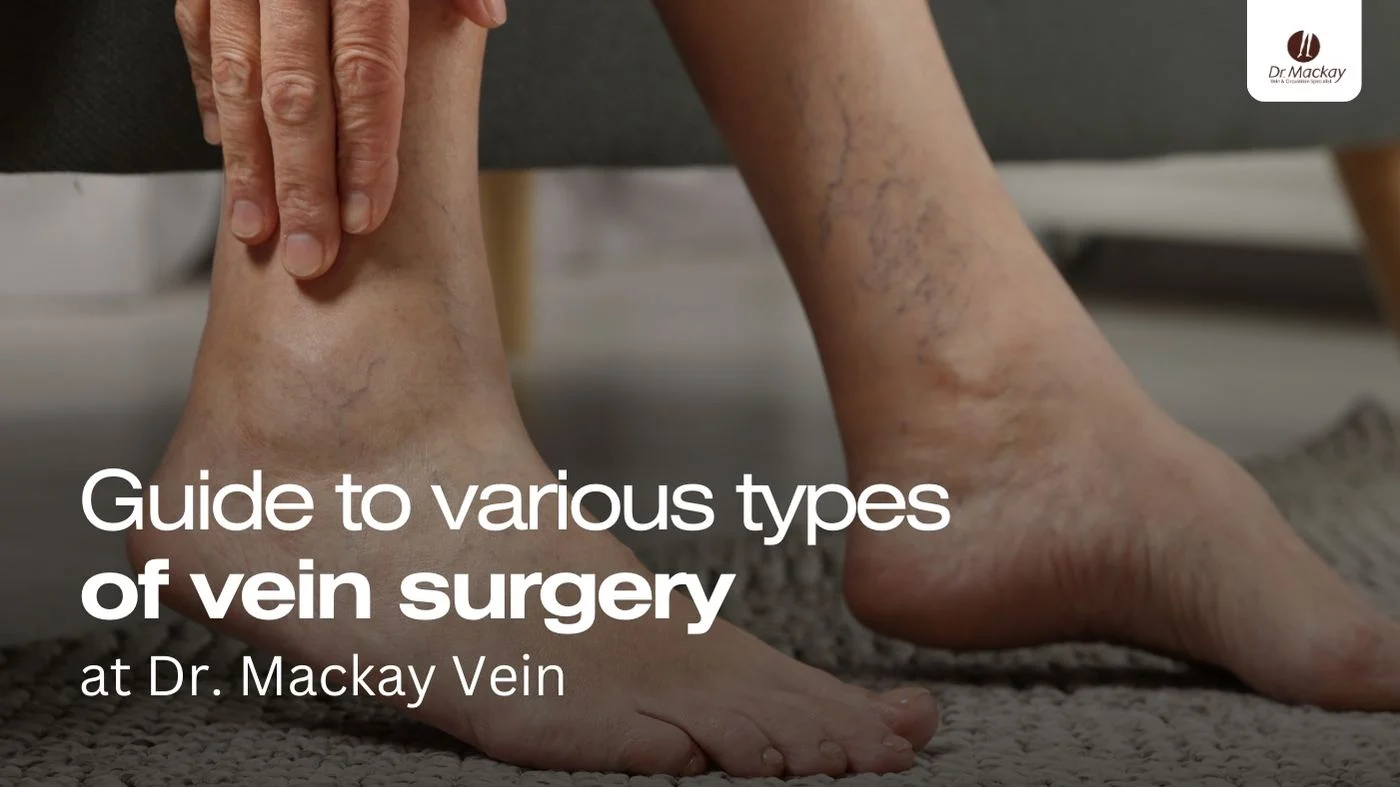
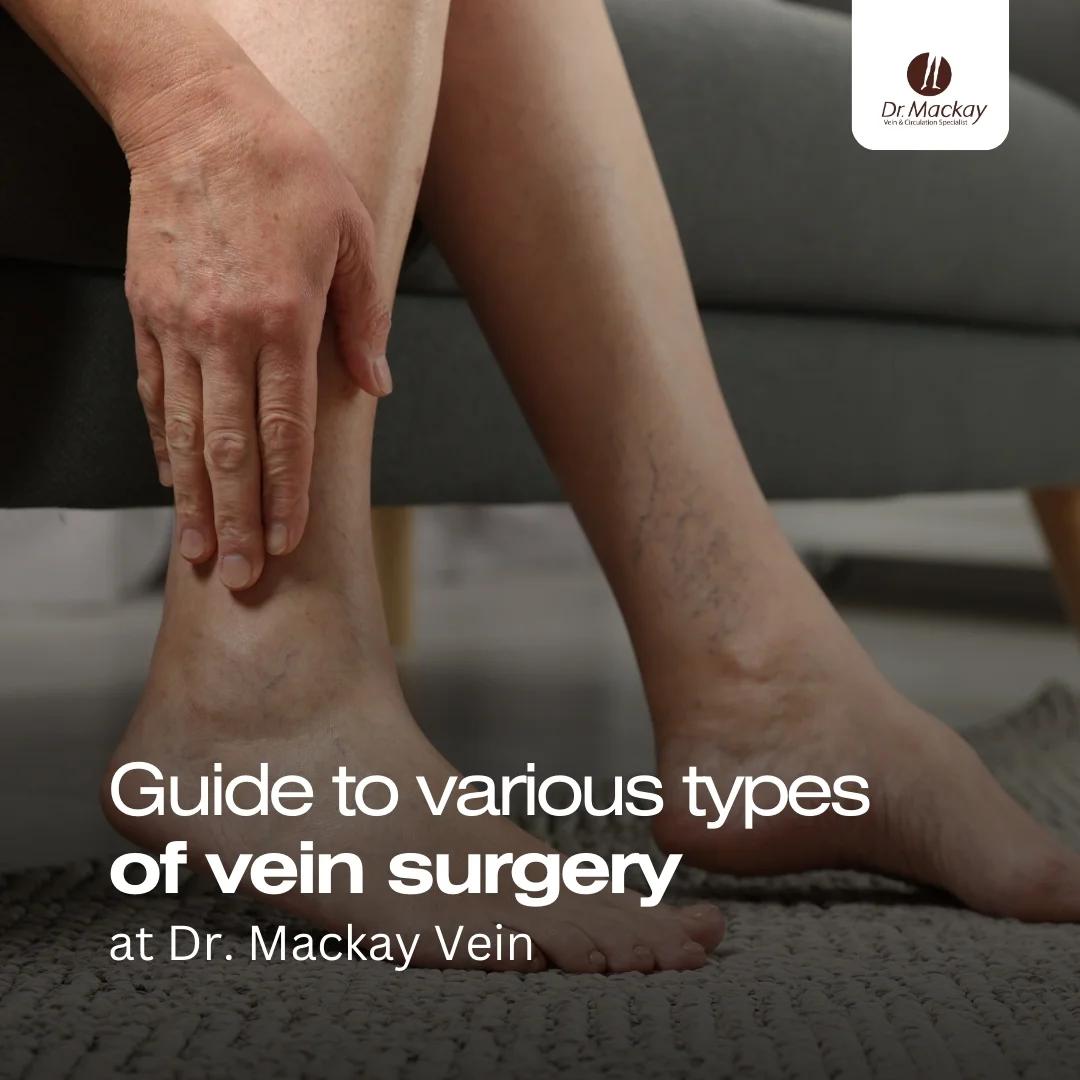
Did you know caring for your veins is crucial for your overall health? Sometimes, veins can cause problems, like when they become varicose or spider veins, which are unsightly and can lead to discomfort and health issues. That's where vein surgery comes into play, offering solutions to these problems.
At Dr. Mackay Vein Clinic, our skilled team is ready to help. We're located in Palm Harbor, Largo, and St. Petersburg, making it easy for you to find us. Let's dive into the different types of vein surgery available to help you get back on your feet and feeling great.
What is Vein Surgery?
Vein surgery can seem daunting, but it's a game-changer for those suffering from vein-related issues. It involves medical procedures designed to treat veins that have become varicose or otherwise problematic. The goal is to alleviate symptoms, improve appearance, and prevent future health complications. At Dr. Mackay Vein Clinic, we use the latest vein treatment technology, ensuring our patients receive the best care possible.
The Types of Vein Surgery For Your Care
1. Sclerotherapy
Sclerotherapy is a popular choice for treating small varicose and spider veins. A unique solution is injected directly into the vein, causing it to collapse and fade over time. It's quick, with minimal discomfort, and you can usually get back to your day right after. It's perfect for those looking to improve the appearance of their legs with minimal downtime.
2. Endovenous Laser Treatment (EVLT)
EVLT uses laser energy to close off unhealthy veins, rerouting blood flow to healthier veins. It's minimally invasive and highly effective, offering a fast recovery and significant relief from symptoms. Patients choose EVLT for its efficiency and the minimal discomfort it involves.
3. Radiofrequency Ablation
Like EVLT, this procedure uses radiofrequency energy to heat and close varicose veins. It's known for its precision and safety, making it a go-to for patients looking for a less invasive option. Recovery is quick, allowing patients to resume normal activities shortly after the procedure.
4. Vein Stripping and Ligation
For more severe varicose veins, vein stripping, and ligation might be recommended for your care. This traditional surgery involves removing or tying off a large vein in the leg. While it's more invasive, it's highly effective for serious vein problems. Recovery takes longer, but the relief and results are well worth it.
5. Ambulatory Phlebectomy
This minimally invasive method removes superficial veins through small, slit-like incisions in the skin. It's ideal for removing visible varicose veins, providing immediate cosmetic improvements and symptom relief. Ambulatory phlebectomy is done under local anesthesia; patients can walk immediately afterward.
6. VenaSeal™
The VenaSeal™ closure system is a cutting-edge treatment that uses medical adhesives to close varicose veins. It is a minimally invasive procedure. Your clinician can explain whether it is appropriate for you, its risks, and what to expect during recovery.
Choosing the Right Procedure
Our Mackay Vein Clinic team understands that each patient's needs are unique. We offer personalized vein consultations to determine the most effective treatment plan for your vein issues. We'll consider your medical history, lifestyle, and the severity of your vein problems to recommend the best procedure for you.
What We Recommend To Prepare for Vein Surgery
Getting ready for vein surgery might seem overwhelming, but you can ensure a smooth procedure and recovery with the proper preparation. At Dr. Mackay Vein Clinic, we're here to guide you every step of the way. Here's what you need to know to prepare for vein surgery:
Consultation Is Key: Before any procedure, you'll have a detailed consultation with our team. This allows you to ask questions, understand the procedure, and learn about the recovery process. We'll review your medical history and any medications you take to ensure the surgery is safe.
Medication Management: It's essential to inform us about all your medications and supplements, as some may need to be paused or adjusted before surgery. For example, blood thinners can increase the risk of bleeding, so we'll discuss the best approach to manage these medications.
The Night Before: Depending on the type of vein surgery you're undergoing, we may ask you to fast for a certain period before your appointment. Typically, this means no food or drink after midnight the Night before your surgery. We'll give you specific instructions based on your procedure.
What to Wear: Comfort is critical on the day of your surgery. Wear loose, comfortable clothing that can easily be removed or worn over bandages or compression garments. Also, choose flat, comfortable shoes. We might provide compression stockings to wear after the procedure to help recover.
Arranging a Ride: If necessary, be sure to arrange for a friend or family member to drive you home and stay with you for the first few hours after the procedure.
Post-Surgery Essentials: Prepare your home for your return from the clinic by setting up a comfortable resting area. You might want ice packs, extra pillows for elevation, and your medications within easy reach. Staying hydrated and having healthy, light foods available will also help your recovery.
Follow-Up Appointments: Be sure to schedule your follow-up appointments before your surgery. These are crucial for monitoring your recovery and ensuring the best outcomes from your procedure.
By following these preparation steps, you can confidently approach your vein surgery, knowing you're ready for a smooth procedure and recovery.
Tips For Recovery and Aftercare Post-Surgery
At Dr. Mackay Vein Clinic, we prioritize your comfort and healing, providing comprehensive guidance for your recovery and aftercare. Here's what you can expect and how to care for yourself following your vein procedure:
Immediate Post-Surgery Care: Right after your surgery, we'll monitor you in our recovery area to ensure you respond well to the treatment. Depending on the procedure, you may be able to leave shortly after, but it's crucial to have someone with you to drive you home. We'll apply bandages and, in some cases, compression stockings, which help with blood flow and reduce swelling.
First 24 Hours: The first day after surgery is critical for your recovery. You may experience some swelling, bruising, or discomfort, which is normal. We recommend resting and elevating your legs to reduce swelling. Applying ice packs can also help with discomfort. It's important to follow our specific instructions regarding medication, especially pain relief and any antibiotics prescribed.
Activity Level: While rest is essential, we also encourage gentle walking several times daily. This activity helps prevent blood clots and promotes healing. However, avoid strenuous exercise, heavy lifting, or standing for long periods during the initial recovery phase. We'll provide guidelines on gradually increasing your activity level.
Compression Garments: If provided, wear your compression stockings as instructed. These garments support vein health, reduce swelling, and prevent complications. They should fit snugly but comfortably, promoting blood flow without restricting it.
Signs to Watch For: While complications are rare, it's essential to be aware of signs that may require immediate attention, such as severe pain, signs of infection (increased redness, warmth, swelling, or discharge at the incision site), or symptoms of a blood clot (increased swelling, pain in one leg, or a change in skin color). If you experience any of these symptoms, contact us immediately.
Why We Recommend Long-Term Care Post-Surgery Care
Maintaining vein health after your recovery is vital. We may recommend lifestyle changes, such as maintaining a healthy weight, exercising regularly, and avoiding prolonged periods of sitting or standing. These steps can help prevent future vein problems and support your overall vascular health.
At our clinic, we'll schedule follow-up appointments to check your progress, remove any stitches (if necessary), and ensure your recovery is on track. These visits are an excellent time to address any concerns or questions about your recovery process from your vein surgery.
Visit Dr. Mackay Vein Clinic For a Consultation Today
Understanding the different types of vein surgery can help you make informed decisions about your vein health. At Mackay Vein Clinic, we're committed to providing personalized, state-of-the-art care to our patients in Palm Harbor, Largo, and St. Petersburg. If you're experiencing vein-related issues, don't wait. Reach out to us for a consultation. Let us help you achieve healthier veins and a happier life.