
Originally published May 17, 2024. From our educational archive. Treatment decisions and recovery instructions should be discussed with your own clinician.
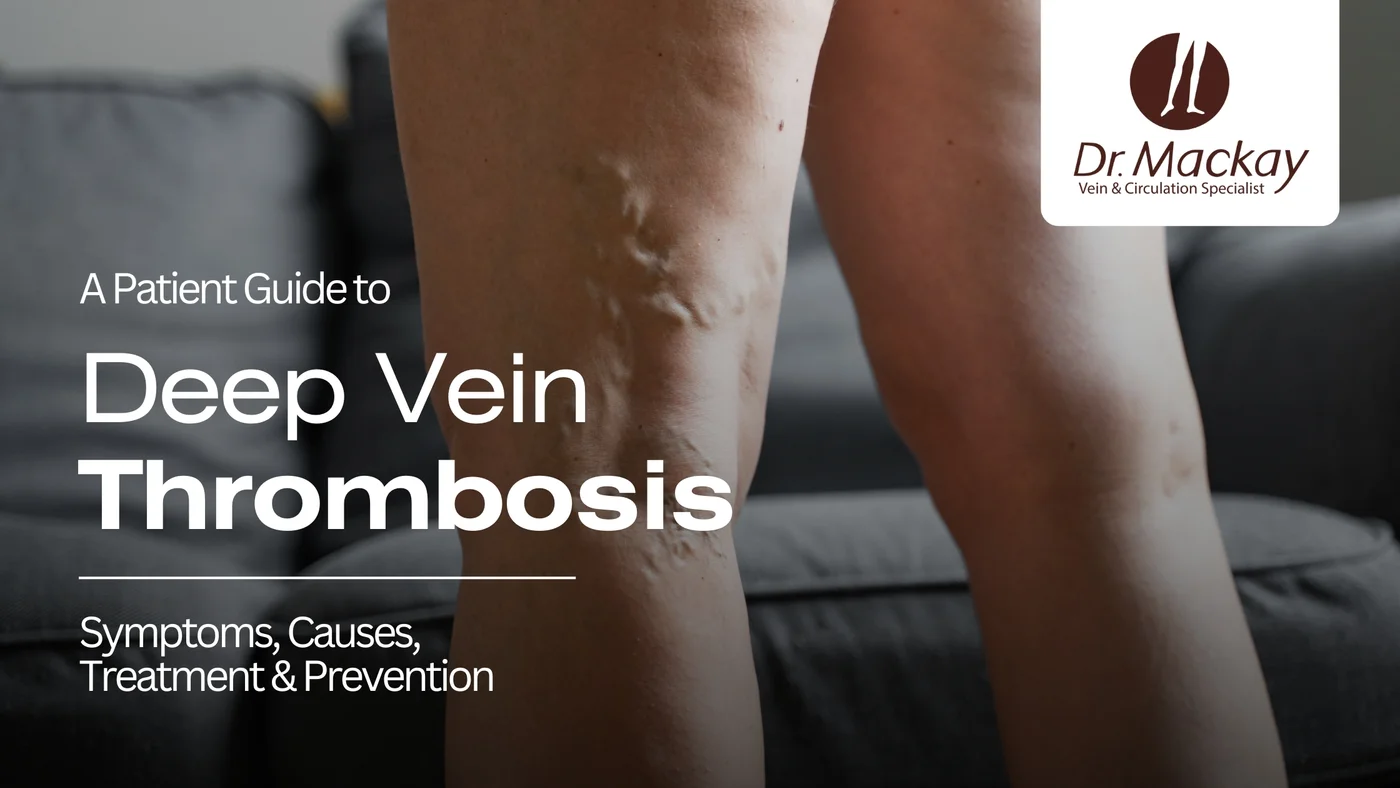
Deep vein thrombosis (DVT) is a condition characterized by the formation of blood clots within deep veins, typically in the legs. These clots can pose significant health risks if left untreated, potentially leading to life-threatening complications such as pulmonary embolism.
In this comprehensive patient guide to DVT learn about the symptoms, treatments, and recovery.
What is Deep Vein Thrombosis (DVT)?
Deep vein thrombosis (DVT) occurs when a blood clot forms within one or more of the deep veins in the body, most commonly in the legs. These clots can obstruct blood flow, leading to swelling, pain, and potentially serious complications if they break loose and travel to the lungs, causing a pulmonary embolism.
Symptoms of DVT
Symptoms of DVT may vary depending on the severity and location of the blood clot but commonly include:
- Swelling in the affected leg, often accompanied by pain or tenderness
- Warmth or redness over the affected area
- Increased pain when standing or walking
- Skin discoloration or a feeling of heaviness in the leg
Seek immediate medical attention if you experience any of these symptoms, especially if you have a history of DVT, recent surgery, or prolonged immobility.
Treatment (surgical) for Deep Vein Thrombosis
Surgery may be considered in cases of severe or recurrent DVT, especially when conservative treatments such as blood thinners are ineffective or contraindicated.
Surgical options for DVT may include:
- Thrombectomy: A surgical procedure to remove the blood clot from the affected vein. This procedure may involve making an incision in the leg and physically removing the clot or using special tools to break up and remove the clot.
- Venous Stenting: In cases where DVT causes significant narrowing or blockage of the vein, a venous stent may be placed to help keep the vein open and improve blood flow.
Read more about DVT treatment in the legs: https://www.drmackay.com/treatment-dvt-in-leg/
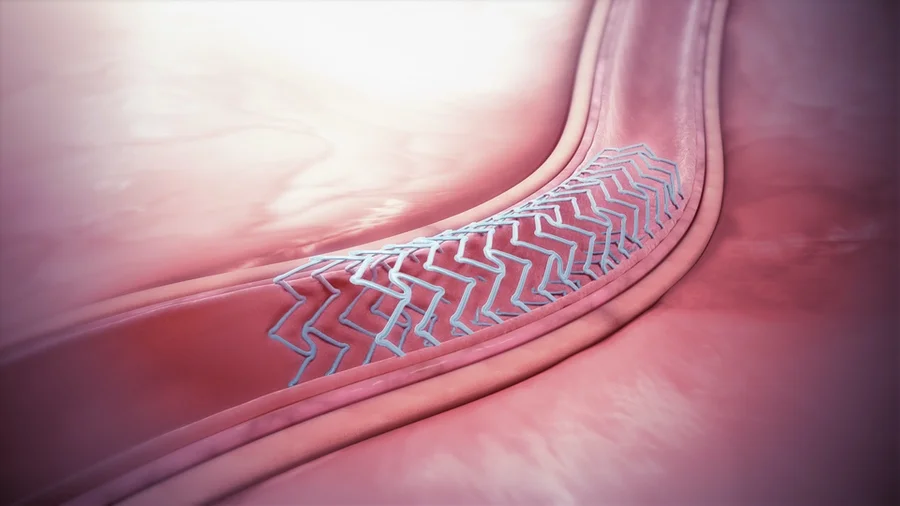
Stent Illustration
Recovery: The Healing Process After DVT Surgery
Following DVT surgery, patients may experience some discomfort, swelling, or bruising in the treated area. It's essential to follow post-operative instructions provided by your healthcare team, which may include:
- Taking prescribed medications, such as blood thinners, to prevent further clot formation
- Wearing compression stockings to promote blood flow and reduce swelling
- Engaging in gentle exercise or physical therapy to improve circulation and prevent complications
The healing process can vary depending on the individual and the specific type of surgery performed. Patients can be confident in their full recovery under the guidance of their healthcare provider.
Who Qualifies for DVT Surgery?
Not all individuals with DVT will require surgery, as many cases can be effectively managed with medications and lifestyle modifications. However, surgery may be considered for those who:
- Have a severe or recurrent DVT that does not respond to conservative treatments
- Are at high risk of complications such as pulmonary embolism
- Have complications related to DVT, such as venous ulcers or chronic swelling
It's essential to discuss treatment options with a board-certified vascular surgeon to determine the most appropriate course of action based on individual circumstances.
Call the Experts at Mackay Vein Clinic
If you're in the Tampa Bay, Palm Harbor, Largo, or St. Petersburg area and experiencing symptoms of DVT or have been diagnosed with the condition, call Mackay Vein Clinic today to schedule a consultation at 727-527-2888. We look forward to providing personalized care from our expert team. Your vascular health is our top priority.