
Originally published October 12, 2023. From our educational archive. Treatment decisions and recovery instructions should be discussed with your own clinician.
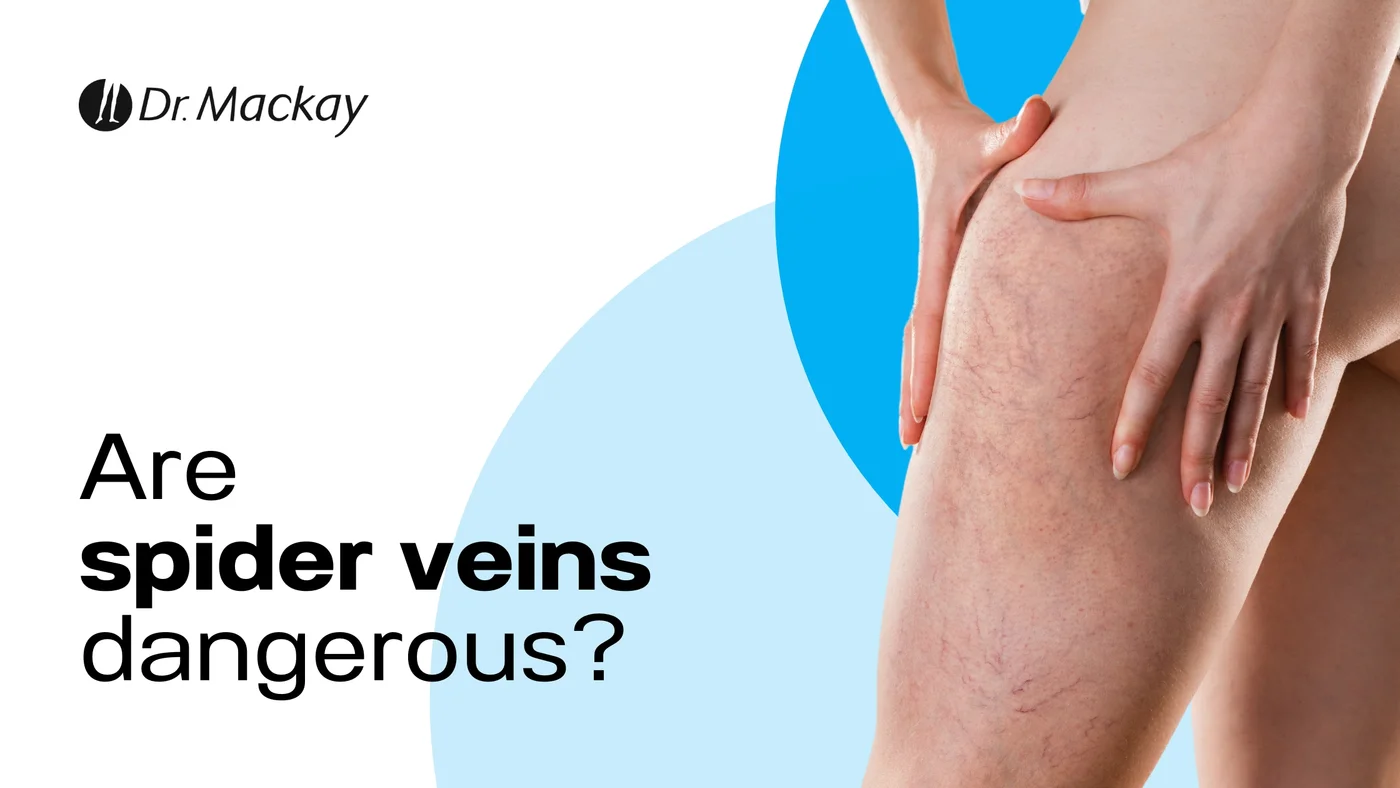
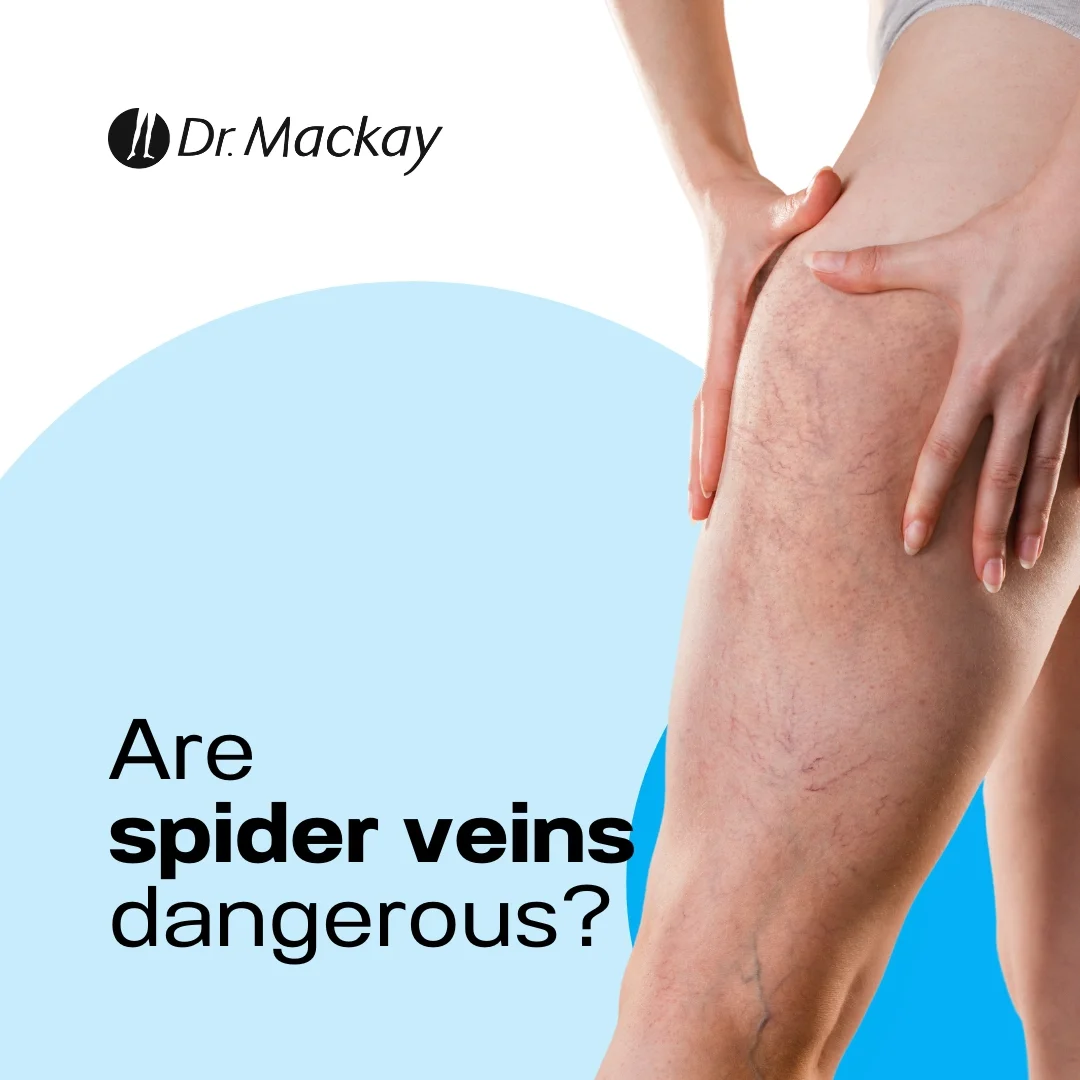
Spider veins, those small, web-like clusters of red or blue veins often appearing on the legs, can be a common cosmetic concern for many people. While they may not always be a cause for immediate alarm, spider veins can cause potential risks and potential risks and complications when left unchecked.
In this article, we'll get into spider veins, exploring their symptoms, contributing factors, and when seeking medical attention is essential. We'll also discuss advanced conditions associated with spider veins and why timely treatment is essential.
Common Symptoms of Spider Veins
Spider veins are typically recognizable by their thin, thread-like appearance close to the skin's surface. They are often asymptomatic, causing no pain or discomfort, and aren’t considered dangerous in most immediate circumstances. However, some individuals may experience mild symptoms such as:
Itching or burning sensation around the affected area.
Throbbing or cramping in the legs.
Restlessness in the legs, especially at night.
Swelling or inflammation in the affected area.
Skin discoloration or darkening around the veins.
It's important to note that while these symptoms may be mild, they should not be ignored, as they can indicate an underlying issue that requires attention.
On the other hand, varicose veins are larger, swollen, and tend to bulge above the skin's surface, resembling twisted ropes, larger than 3 millimeters in diameter. Varicose veins often have a blue or dark purple appearance and are usually found on the lower legs, especially the back of the calves or inside of the legs. Unlike spider veins, varicose veins cause pain, heaviness, swelling, and itching around the veins themselves.
Learn more about the differences of Spider Veins vs Varicose Veins.
Here is why you shouldn't ignore Spider Veins
Spider veins usually indicate poor blood circulation, a condition known as chronic venous insufficiency (CVI). In a healthy circulatory system, blood flows efficiently from the legs to the heart through valves and veins. However, when these valves weaken or become damaged, it can lead to blood pooling in the veins, forming spider veins.
Ignoring spider veins can lead to further complications. CVI can cause symptoms to worsen and may eventually lead to more severe venous conditions, and untreated spider veins can be an early warning sign of a more significant circulatory problem that needs attention.
Who's Most Likely To Develop Spider Veins?
Anyone can develop spider veins. However, some individuals are more prone than others. Factors that can increase your risk include:
Age: Older adults are more susceptible to getting spider veins.
Genetics: A family history of venous issues can cause you to become more likely to get spider veins.
Hormonal changes: Pregnancy, menopause, and birth control can influence their development.
Sedentary lifestyle: Prolonged sitting or standing can put pressure on veins.
Excess sun exposure: Experiencing more sun exposure can cause spider veins, especially on the face.
Advanced Conditions and Symptoms Associated with Spider Veins
If left untreated, spider veins can progress into more advanced conditions, including:
Varicose Veins: Larger, twisted veins that are often painful and bulging.
Venous Ulcers: Non-healing wounds that can develop on the legs, especially near the ankles, often caused by poor circulation.
Deep Vein Thrombosis (DVT): Blood clot formation in the deep veins can be life-threatening if the clot travels to the lungs.
Superficial Thrombophlebitis: An inflammatory reaction that causes clot formation in the superficial veins.
These conditions can cause significant discomfort and, in the case of DVT, pose a severe health risk. Besides the conditions mentioned above, spider veins can lead to skin changes, including hyperpigmentation and the development of small, painful lumps known as phlebitis.
Furthermore, these conditions can cause extreme discomfort and affect your self-esteem due to your visible appearance.
Treating Spider Veins Eliminates the Underlying Problem
Fortunately, there are effective treatments available for spider veins that can improve their appearance and address those underlying circulatory issues. Dr. Edward Mackay, a Vein and circulation Specialist with expertise in Vascular Surgery, specializes in treating venous conditions and offers comprehensive care for vein-related conditions at the Dr. Mackay Vein clinic in St. Petersburg, FL. Some treatment options for spider veins at his office include:
- Conventional Sclerotherapy: A solution is injected into the vein, causing it to collapse and fade.
- Foam Sclerotherapy: A foam solution is used, which is particularly effective for larger veins.
- Ultrasound-Guided Sclerotherapy: An ultrasound visualizes the veins, making the procedure more precise.
See Dr. Edward Mackay For Spider Vein Treatment
If you're experiencing symptoms related to spider veins or have concerns about their impact on your health and the danger of spider veins, it's crucial to consult with Dr. Mackay and his team. They provide a range of treatments, including minimally invasive procedures like sclerotherapy and endovenous laser therapy, to address spider veins and their underlying causes.
Don't let spider veins compromise your health. Contact Dr. Edward Mackay at Dr. Mackay Vein today to schedule a consultation and take the first step toward healthier, more beautiful legs.