
Originally published January 4, 2025. From our educational archive. Treatment decisions and recovery instructions should be discussed with your own clinician.
Varicose veins are a common condition that affects many people, particularly as they age. Understanding what causes varicose veins in the legs can help in preventing and managing this condition effectively. In this article, we will explore the primary causes, risk factors, and potential prevention methods for varicose veins.
The Anatomy of Varicose Veins
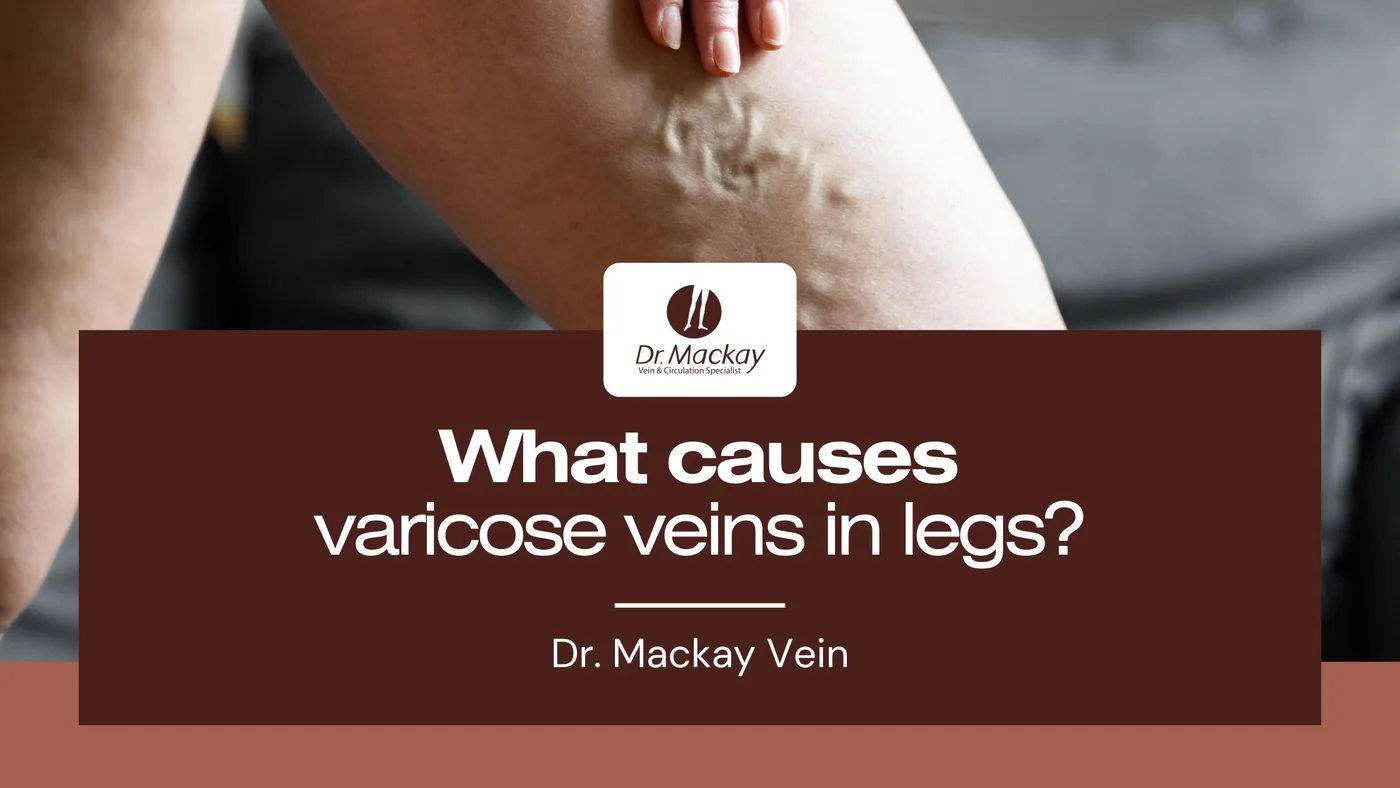
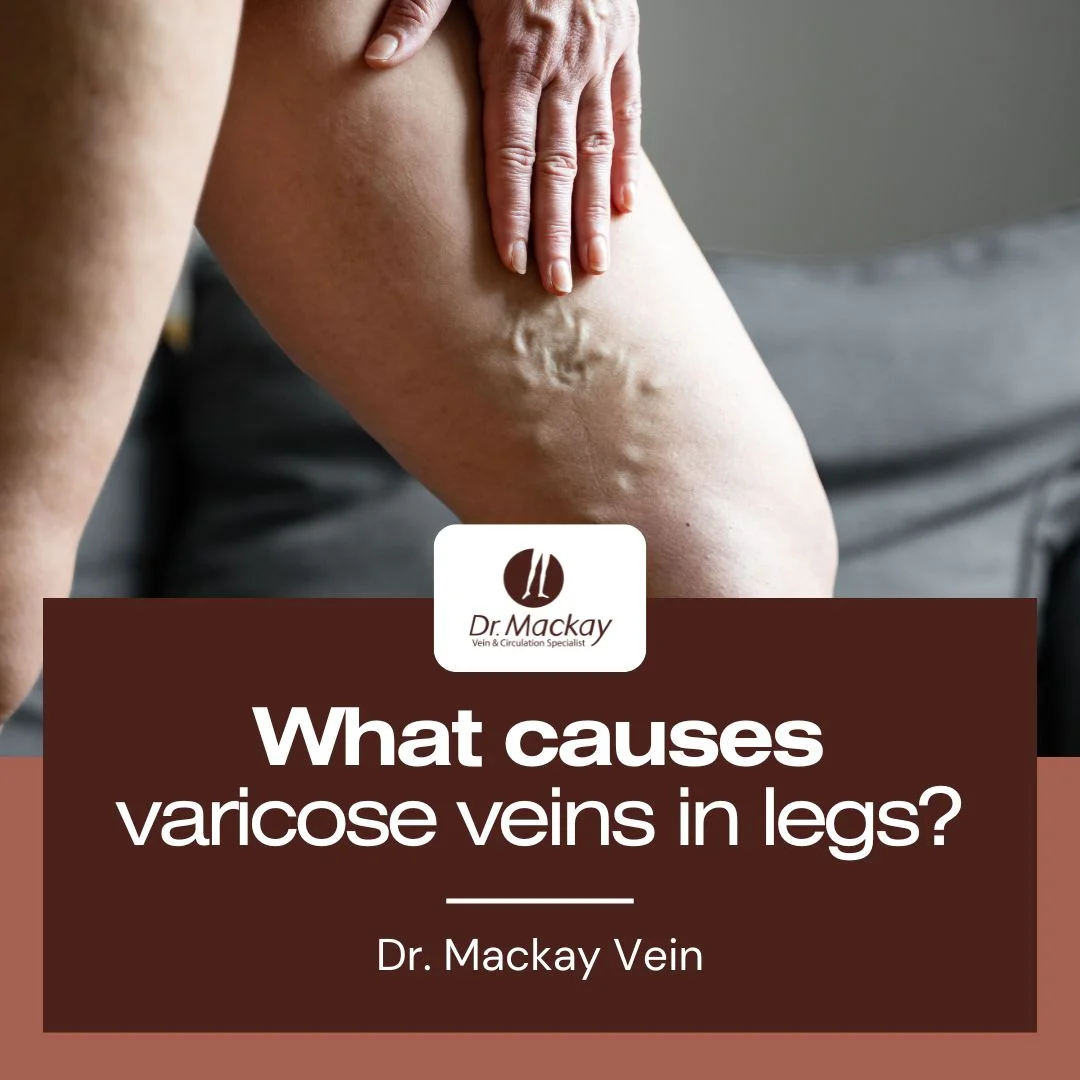
Varicose veins are enlarged, twisted veins that usually appear on the legs and feet. They occur when the valves in the veins, which regulate blood flow, become weak or damaged. This causes blood to pool in the veins, making them swell and appear bulging or twisted.
Primary Causes of Varicose Veins in Legs
Genetics: One of the most significant factors in developing varicose veins is genetics. If you have a family history of varicose veins, you are more likely to develop them. Genetic predisposition affects the structure and function of vein walls and valves, making them more susceptible to damage.
Age: Aging causes wear and tear on the valves in your veins that help regulate blood flow. This can lead to the valves malfunctioning, allowing blood to collect in the veins instead of flowing back to the heart.
Gender: Women are more likely to develop varicose veins than men. Hormonal changes during pregnancy, premenstruation, or menopause can relax vein walls, increasing the risk of varicose veins. Additionally, hormone treatments, such as birth control pills, may also increase the risk.
Pregnancy: During pregnancy, the volume of blood in a woman's body increases, but the flow of blood from the legs to the pelvis decreases. This circulatory change is designed to support the growing fetus but can also enlarge veins. Hormonal changes during pregnancy also play a role.
Obesity: Excess body weight adds pressure to veins, particularly those in the legs, which can lead to varicose veins. The additional pressure makes it more difficult for veins to push blood back to the heart.
Prolonged Standing or Sitting: Occupations that require long periods of standing or sitting can increase your risk of developing varicose veins. This is because remaining in the same position for extended periods can cause blood to pool in your legs.
To learn more contact Dr. Mackay at
(727) 527-2888or fill out an
appointment request form.
Risk Factors for Varicose Veins
Understanding what causes varicose veins in legs also involves recognizing the associated risk factors. These include:
Sedentary Lifestyle: Lack of exercise can contribute to the development of varicose veins. Regular physical activity helps improve blood circulation, reducing the risk.
Diet: A diet low in fiber and high in salt can lead to constipation and water retention, both of which increase the pressure on veins.
Clothing: Tight clothing, particularly around the waist, legs, and groin, can restrict blood flow and contribute to varicose veins.
Prevention and Management of Varicose Veins
While it may not be possible to completely prevent varicose veins, certain lifestyle changes and management strategies can reduce your risk and alleviate symptoms. Here’s how:
Exercise Regularly: Engaging in physical activities like walking, swimming, or cycling can improve circulation and strengthen your veins.
Maintain a Healthy Weight: Keeping your weight in check reduces pressure on your veins.
Elevate Your Legs: Elevating your legs when resting can help improve circulation and reduce pressure on the veins.
Avoid Long Periods of Standing or Sitting: If your job requires long periods of standing or sitting, try to take breaks to move around and change positions frequently.
Wear Compression Stockings: These can help by applying pressure to your legs, encouraging blood to flow more efficiently towards your heart.
Healthy Diet: Eating a diet rich in fiber and low in salt can help prevent varicose veins by avoiding constipation and water retention.
Treatment Options
If lifestyle changes are not sufficient to manage varicose veins, medical treatments are available. Here at Dr. Mackay Vein & Circulation Specialists, we offer a variety of effective treatment options:
Conventional Sclerotherapy: This is the simplest technique for sclerotherapy, using a liquid sclerosant placed directly into the vein via a small needle. It works best for treating smaller veins.
Foam Sclerotherapy: This technique uses a foam form of sclerosant, created by exposing the liquid to air. The foam's thicker consistency allows for smaller amounts of sclerosant to be used in affected vessels, making it effective for larger veins. Foam sclerotherapy can also be used with ultrasound for more precise administration.
Ultrasound-Guided Sclerotherapy: This method employs ultrasound to treat varicose veins that are deep or larger superficial veins. Ultrasound enhances the precision of the procedure, ensuring the correct veins are treated to improve and treat the varicose veins.
Learn More About Varicose Veins Causes
Understanding what causes varicose veins in legs is crucial for prevention and effective management. By recognizing the risk factors and adopting healthy lifestyle practices, you can minimize your risk of developing varicose veins and maintain better vascular health.
If you are already experiencing symptoms, consulting with a specialist like Dr. Mackay Vein & Circulation Specialists can provide you with personalized treatment options to improve your quality of life.
Ready to take the next step towards healthier, more beautiful legs? Contact Dr. Mackay Vein & Circulation Specialists today to schedule your personalized consultation. Let us guide you through your treatment options with the expertise and care you deserve.